


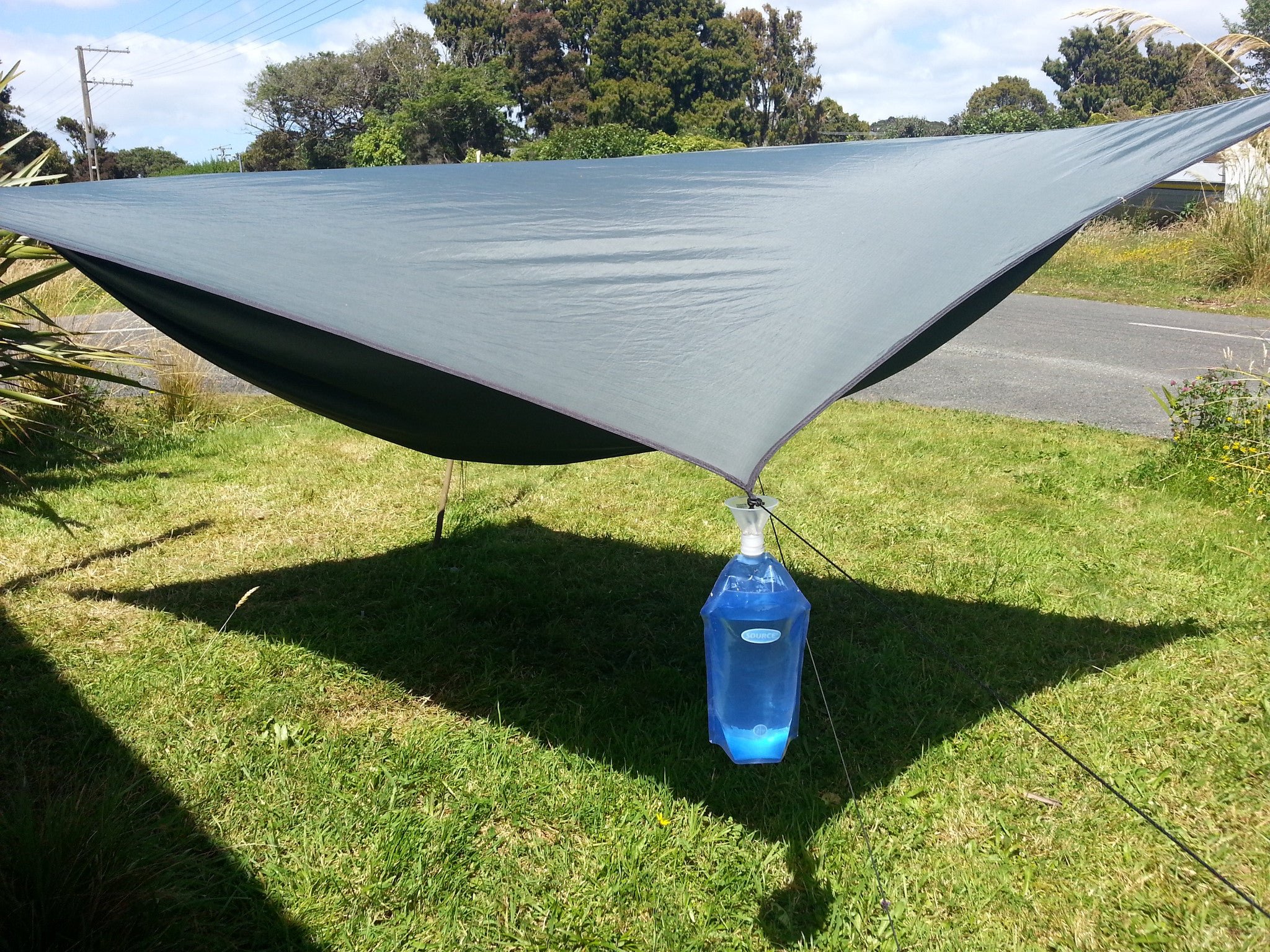
Looking to save water and reduce your environmental footprint? The answer lies in a simple yet effective solution: the water collector. A must-have for sustainable living, a water collector helps you harvest rainwater and put it to good use around your home. By installing a water collector system, you can easily collect and store rainwater for various purposes, from watering plants to washing your car. Say goodbye to wasteful water practices and hello to a greener lifestyle with a water collector.

Exploring the Amazing Water Collector
What is a Water Collector?
Welcome, young readers, to the wonderful world of water collectors! Have you ever wondered how we can collect and save rainwater to use when we need it? A water collector is a fantastic device that helps us do just that. It gathers rainwater and stores it for later use, like watering plants or cleaning. Let’s dive deeper into the magic of water collectors!
Types of Water Collectors
There are different types of water collectors, each unique in its design and function. One common type is a rain barrel, which is like a big container that collects rainwater from your roof. Another type is a cistern, which is a large underground tank that stores rainwater. Both of these help us make good use of rainwater instead of letting it go to waste!
How Water Collectors Work
Water collectors work by capturing rainwater that falls on rooftops and other surfaces. The water then flows through pipes or gutters into the collection system, where it is stored for later use. Some water collectors even have filters to remove debris and keep the water clean. It’s like having a special treasure chest for rainwater!
Benefits of Using a Water Collector
Using a water collector has many benefits for both the environment and us. It helps reduce water waste by using rainwater instead of tap water for various purposes. This not only saves water but also reduces our water bills. Additionally, collecting rainwater can help prevent soil erosion and reduce the burden on local water sources. It’s like being a superhero for the planet!
Building Your Own Water Collector
Did you know that you can build your own water collector at home? It’s a fun and exciting project that you can do with the help of an adult. Let’s explore how you can create your very own water collector!
Materials Needed
To build a simple water collector, you will need the following materials:
- Large plastic barrel or container
- Gutter system
- PVC pipes
- Screen or filter
- Sealant or waterproof tape
Steps to Build Your Water Collector
- Find a suitable location for your water collector near a downspout or area where rainwater flows.
- Set up the gutter system to collect rainwater from the roof and direct it into the barrel or container.
- Connect PVC pipes to channel the water into the container.
- Install a screen or filter at the entry point to prevent debris from entering the container.
- Seal any gaps or openings with sealant or waterproof tape to prevent leaks.
Once you’ve completed these steps, your homemade water collector is ready to collect rainwater! Remember to check and maintain your water collector regularly to ensure it functions properly.
Fun Facts About Water Collectors
Here are some fascinating facts about water collectors that you may not know:
Fact 1: Historical Roots
Water collection systems have been used for thousands of years across different cultures. Ancient civilizations like the Romans and Greeks utilized elaborate systems to collect and store rainwater for their needs.
Fact 2: Global Impact
Water collectors play a vital role in regions where access to clean water is limited. They provide a sustainable and cost-effective way to gather water for drinking, farming, and other essential activities.
Fact 3: Environmental Benefits
Using water collectors helps reduce the demand on municipal water supplies, conserving resources and promoting water sustainability. It also helps protect natural water sources and ecosystems by decreasing the need for water extraction.
In Conclusion
Water collectors are incredible devices that help us make the most of nature’s gift of rainwater. By using water collectors, we can save water, protect the environment, and have fun building our own systems. So, next time it rains, remember the magic of water collectors and how they can make a difference in our world!
Rain Barrel Project in 59 Seconds
Frequently Asked Questions
What is a water collector and how does it work?
A water collector is a system designed to collect rainwater from roofs through gutters and downspouts, channeling it into storage containers. The collected water can then be used for various purposes such as watering plants, flushing toilets, or even for household chores.
What are the benefits of using a water collector?
Using a water collector helps conserve water resources by capturing rainwater that would otherwise run off into storm drains. It also reduces water bills, decreases reliance on municipal water sources, and can contribute to sustainable living practices.
How can I maintain a water collector system?
To maintain a water collector system, regularly clean the gutters and downspouts to prevent clogs that can hinder water flow. Inspect the system for leaks or damages, and ensure that the storage containers are covered to prevent debris and mosquitoes from entering.
Final Thoughts
In conclusion, the water collector proves to be a practical solution for capturing and utilizing rainwater effectively. Its simple design and functionality make it a sustainable choice for providing water in various settings. By incorporating a water collector into our daily lives, we can contribute to water conservation efforts and reduce dependence on traditional water sources. Embracing the benefits of a water collector can lead to a more eco-friendly and resourceful way of managing water supply.


