


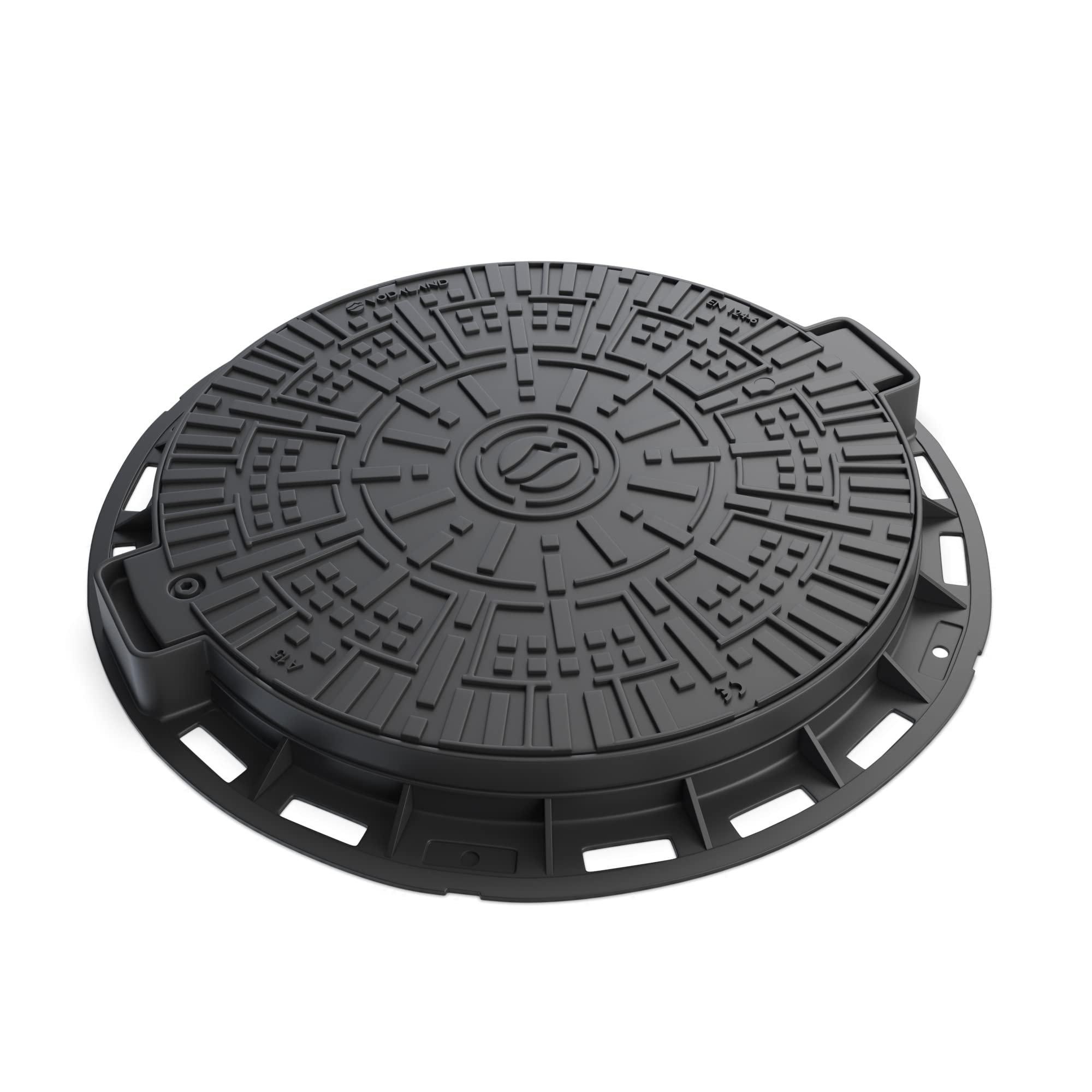
Manhole covers: often overlooked, yet vital. They serve as access points to underground utility networks. Have you ever wondered why manhole covers are round? The answer lies in their design – a round shape ensures they cannot fall into the opening when removed. This simple yet ingenious solution ensures safety and efficiency in urban infrastructure maintenance. Let’s delve deeper into the world of manhole covers and uncover their fascinating history and significance.

The Fascinating World of Manhole Covers: Exploring the Unsung Heroes of City Streets
Welcome, young explorers, to the exciting world of manhole covers! You may have walked past these seemingly ordinary metal discs on the streets without giving them a second thought. But did you know that manhole covers play a crucial role in keeping our cities safe and functional? Join me as we delve into the hidden secrets and fascinating facts about these unassuming yet essential elements of urban infrastructure. Let’s uncover the mysteries beneath our feet!
The History of Manhole Covers
Let’s take a journey back in time to discover the origins of manhole covers. Believe it or not, manhole covers have been around for centuries, dating back to ancient civilizations. The Romans were among the first to use manhole covers in their elaborate sewer systems, demonstrating the importance of proper waste management even in ancient times.
As cities grew and modernized, the need for efficient sewage systems became paramount. This led to the widespread use of manhole covers to provide access points for maintenance and repairs. Today, manhole covers can be found in every city around the world, quietly performing their crucial role in keeping our urban environments in working order.
The Design and Function of Manhole Covers
Have you ever stopped to admire the intricate designs on manhole covers? These designs are not just for decoration; they serve important functions as well. Manhole covers come in various shapes and sizes, depending on their intended use. Some are round, while others are square or rectangular, each designed to fit specific types of access points.
Manhole covers are typically made of durable materials such as cast iron, steel, or concrete to withstand the weight of vehicles and pedestrians passing over them. The designs on manhole covers often feature patterns, logos, or inscriptions that indicate the utility company responsible for the infrastructure below.
The Role of Manhole Covers in Urban Infrastructure
Manhole covers are like hidden portals to the underground world of city utilities. Beneath these seemingly mundane metal discs lie a complex network of sewer lines, water mains, electrical cables, and telecommunications wires that keep our cities running smoothly. Without manhole covers, accessing and maintaining these essential infrastructure components would be nearly impossible.
Imagine a city without manhole covers. Sewers would overflow, water pipes would leak, and power outages would be a common occurrence. Manhole covers serve as vital access points for technicians and workers to perform routine inspections, repairs, and upgrades to ensure the uninterrupted flow of essential services to our homes and businesses.
Types of Manhole Covers
Not all manhole covers are created equal. There are different types of manhole covers designed for specific purposes. Let’s explore some of the common types you may encounter in your city:
1. Sewer Manhole Covers
Sewer manhole covers are among the most common types found in urban areas. These covers provide access to sewer lines that carry wastewater away from homes and buildings. Sewer manhole covers are typically larger and heavier than other types to withstand the pressure and weight of underground sewage systems.
2. Stormwater Manhole Covers
Stormwater manhole covers are designed to manage excess rainwater and prevent flooding in streets and neighborhoods. These covers are equipped with drainage holes or slots to allow water to enter the underground storm sewer system efficiently. Stormwater manholes play a crucial role in protecting our cities from water-related disasters.
3. Utility Manhole Covers
Utility manhole covers provide access to a variety of underground utilities, including water mains, gas lines, electrical conduits, and fiber optic cables. These covers are strategically placed throughout the city to allow utility workers easy access for maintenance and repairs. Utility manholes are essential for ensuring the continuous supply of essential services to homes and businesses.
The Maintenance of Manhole Covers
Just like any other part of urban infrastructure, manhole covers require regular maintenance to ensure they remain functional and safe. Municipalities and utility companies have dedicated teams responsible for inspecting and repairing manhole covers to prevent accidents and ensure the integrity of the underground systems.
Over time, manhole covers can become damaged or worn out due to heavy traffic, corrosion, or natural wear and tear. It is essential to replace damaged covers promptly to prevent accidents and maintain the smooth operation of the underground utilities. Routine maintenance of manhole covers is a critical aspect of city management and urban planning.
Fun Facts About Manhole Covers
Now that you’ve learned so much about manhole covers, here are some fun facts to impress your friends with:
- Some cities hold manhole cover design competitions to showcase local artists’ creativity.
- The average weight of a manhole cover ranges from 50 to 300 pounds, depending on the material and size.
- Manhole covers are sometimes used as makeshift musical instruments by street performers.
- In Japan, manhole covers are intricately designed to reflect the culture and history of the region.
In Conclusion
Manhole covers may seem like mundane objects on the streets, but they are essential components of our urban infrastructure. Next time you walk past a manhole cover, take a moment to appreciate the vital role it plays in keeping our cities safe and functional. Remember, the unsung heroes of city streets are not always the ones in plain sight. Sometimes, they are right beneath our feet, silently working to ensure our modern way of life continues without interruption.
Thank you for joining me on this journey through the fascinating world of manhole covers. Until next time, keep exploring the wonders of our urban environment!
Why Manhole Covers Aren't Usually Square ?
Frequently Asked Questions
What is the purpose of a manhole cover?
A manhole cover is designed to provide access to underground utility vaults, such as sewer lines, electrical conduits, or storm drains. It serves as a protective lid to prevent unauthorized entry, accidents, and debris from entering the manhole.
What materials are manhole covers typically made of?
Manhole covers are commonly made of materials like cast iron, concrete, or composite materials. The choice of material depends on factors such as traffic load, corrosion resistance, and cost-effectiveness.
How are manhole covers installed and maintained?
Manhole covers are usually installed by placing them over an opening in the ground and securing them with bolts or locks. Regular maintenance includes inspection for cracks, corrosion, or damage, and making repairs or replacements as needed to ensure safety and functionality.
Final Thoughts
Manhole covers serve a crucial role in urban infrastructure, providing access to maintenance workers while ensuring safety for the public. These durable covers are often overlooked but play a vital role in our daily lives. From preventing accidents to enabling efficient utility access, manhole covers are essential components of city infrastructure. Their design and materials continue to evolve for better durability and longevity. Appreciating the significance of manhole covers can lead to a greater understanding of urban planning and maintenance.


